Table of Contents
ToggleA modern style living room isn’t about cold minimalism or stark white walls, it’s about creating a space where clean lines, honest materials, and purposeful design work together to make everyday life feel better. Whether someone is starting from scratch or refreshing an existing room, the key is understanding that modern design prioritizes function alongside aesthetics. The difference between a living room that just looks contemporary and one that actually works for how people live comes down to smart furniture choices, materials that age well, and a layout that encourages both relaxation and connection. This guide walks through the essentials: design principles that anchor the style, furniture strategies that maximize flow, color and material selections that feel right in 2026, and lighting choices that tie everything together.
Key Takeaways
- A modern style living room prioritizes clean lines, honest materials, and purposeful design that balances aesthetics with everyday functionality.
- Furniture selection is critical—choose a low-profile sofa (30-36 inches tall), neutral upholstery, and paired accent chairs to maintain visual flow over bulky sectionals.
- Neutral color palettes with greige, off-white, and gray walls create a calm foundation, with accent colors introduced sparingly through textiles, art, or a single statement wall.
- Layer three types of lighting (ambient, task, and accent) with LED bulbs in 2700K-3000K to create warmth and control throughout the room.
- Integrate storage solutions like credenzas and built-in shelving to organize clutter while maintaining the open, intentional aesthetic that defines modern design.
- Less is more—select only meaningful, functional accessories such as curated artwork, strategically placed plants, and simple window treatments to complete the space.
Understanding Modern Living Room Design Principles
Modern design rests on a few core ideas that separate it from other contemporary styles. First, it celebrates open space and negative space, the empty areas around and between objects matter as much as the objects themselves. This doesn’t mean a sparse, lonely room: it means every piece earns its place.
Second, modern living rooms favor clean lines and geometric forms. Sofas, shelving, and tables should reflect straight edges and minimal ornamentation. A sofa with simple, tapered legs and a low profile feels modern: one with ornate carved details does not.
Third, honesty in materials is essential. Modern design celebrates what materials are without disguising them. Real wood, concrete, metal, and quality upholstery are displayed for what they are. Veneers, faux finishes, and overly glossy surfaces work against the aesthetic.
Fourth, functionality drives the layout. A modern living room should support the activities that actually happen there, watching television, conversing, reading, working from home. The design serves the lifestyle, not the other way around. This practical foundation distinguishes modern style from styles that prioritize decoration over usability.
Essential Furniture and Layout Strategies
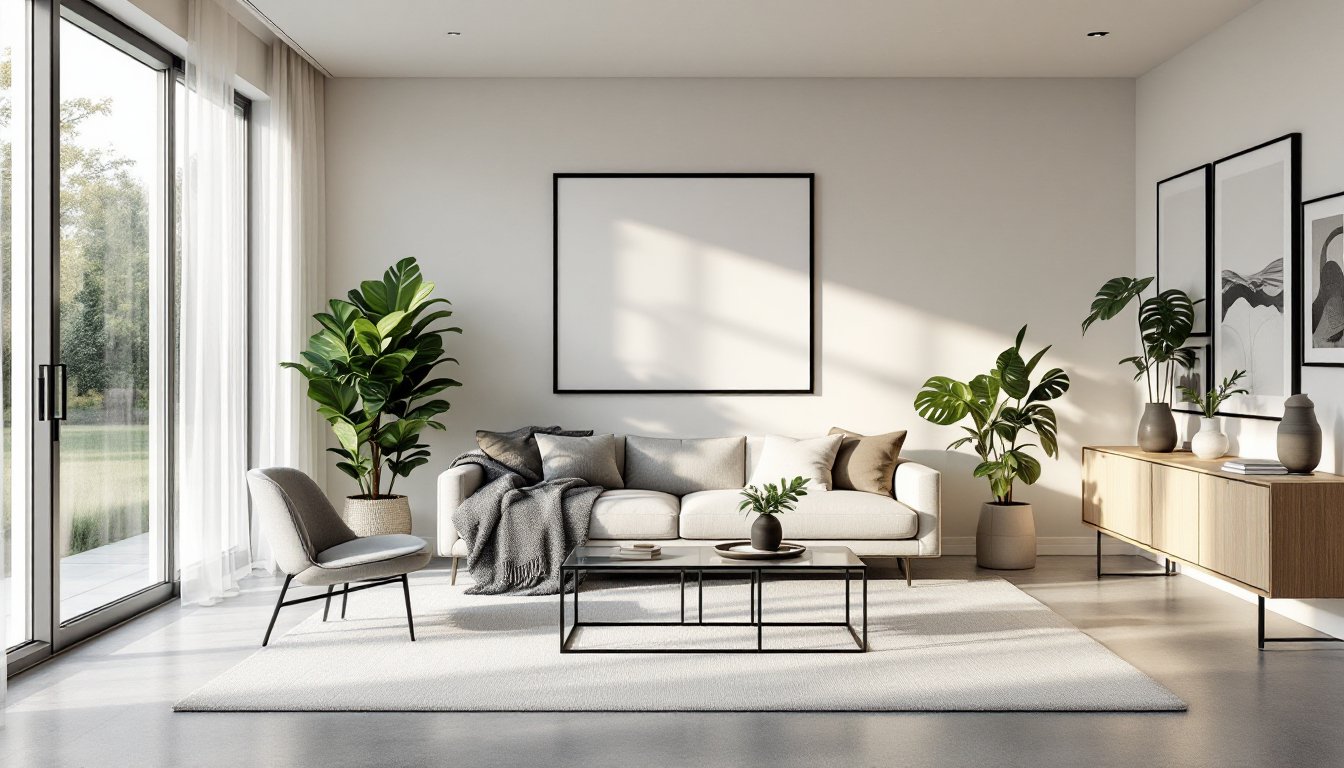
The furniture selection in a modern living room determines both the look and the functionality. Starting with the anchor piece, a sofa should feature a low profile with clean lines, typically 30 to 36 inches tall from floor to seat cushion, with a depth of 30 to 36 inches. A neutral fabric like linen, performance upholstery, or high-quality microfiber handles real living. Avoid ornate backs or skirts that date quickly.
Layering in additional seating depends on the room’s size and use. A paired accent chair or two works better than a sectional in most modern layouts: this preserves visual flow and makes the space feel intentional rather than overstuffed. If a sectional is needed, choose one with a low-profile frame and minimal detailing.
Storage should be integrated into the design, not scattered around. A credenza, media console, or built-in shelving with clean lines contains clutter while adding visual interest. The goal is a sense of organization without obvious chaos.
Choosing the Right Pieces for Flow and Comfort
Arrange furniture to define zones without boxing in the space. In a modern living room, the sofa typically faces the entertainment wall, with accent chairs angled to encourage conversation. A coffee table should be proportional to the seating, a 36-inch table suits most living rooms, leaving 18 inches of walking space around it. Glass, wood, or metal tops suit the aesthetic: avoid ornate bases.
Measure clearances carefully. Hallways should allow 36 inches minimum for comfortable passage. If the room serves multiple purposes, living and working, for example, use area rugs and furniture grouping to create subtle boundaries without walls. This maintains the open, airy feeling while organizing the space. Scale matters: oversized furniture in a smaller room creates awkwardness: undersized pieces in a large room feel sparse. Aim for proportion between the furniture and the room dimensions.
Color Palettes and Materials That Define Modern Spaces
A modern living room’s color palette typically centers on neutrals, white, gray, beige, charcoal, or taupe, with accent colors introduced through textiles, art, or a single statement wall. True whites work well on trim and ceilings: off-whites and warm grays are more forgiving on walls and feel less institutional. Most modern rooms lean toward cooler or greige tones (a gray-beige hybrid) rather than warm yellows or browns.
Accent colors can be introduced sparingly. A deep forest green, warm terracotta, soft blue, or muted mustard adds personality without overwhelming the space. These colors work best on one accent wall, in artwork, throw pillows, or a statement piece of furniture, not throughout the room.
Materials define the tactile experience. A mix of wood, concrete, metal, and natural fabrics creates richness without pattern. Real hardwood flooring or polished concrete work: so do light-colored tile or quality laminate with wood-grain authenticity. Upholstered pieces benefit from natural fibers, cotton, linen, or wool, which age gracefully and feel substantial.
Textiles add warmth without clashing. Solid-color throw pillows, a quality area rug in a neutral or soft tone, and a knit throw contribute comfort without visual noise. Layering textures, a smooth linen sofa against a chunky wool rug, smooth concrete against warm wood, creates depth. Avoid busy patterns, heavy florals, or overly decorative fabrics that fight the minimalist foundation.
Lighting and Accessories for Contemporary Style
Lighting in a modern living room should layer three types: ambient (overall), task (reading, working), and accent (highlighting artwork or architectural features). Ambient light typically comes from recessed fixtures, track lighting, or a simple ceiling fixture with clean geometry. Task lighting might be a floor lamp with a slender metal base and minimal shade, or a table lamp on a side table near seating.
LED bulbs in 2700K to 3000K color temperature provide warm, inviting light without the cool harshness of older fluorescents. Dimmer switches give control over the mood throughout the day. Accent lighting can highlight a gallery wall, fireplace, or architectural detail using picture lights or small spotlights mounted inconspicuously.
Creating Visual Interest Without Clutter
Accessories in a modern room are few, intentional, and meaningful. A gallery wall of curated art or photography, a single statement plant, a sculptural vase, or a well-chosen throw adds interest without chaos. Each item should serve a purpose, whether functional or genuinely beautiful, and earn its spot on display.
Green elements work well in modern spaces: a fiddle leaf fig, snake plant, or pothos in a neutral ceramic pot adds life without fussiness. One or two plants positioned strategically beats a jungle of specimens. Books arranged on a shelf, a subtle throw draped on the sofa, or a decorative object collection displayed in a credenza contribute character without resembling a thrift store.
Window treatments should be simple. Floor-to-ceiling curtains in a solid neutral fabric, roller shades in white or gray, or minimal frames around large windows suit the aesthetic. Avoid heavy drapes, ornate valances, or fussy tie-backs. The goal is clean lines that frame the view without distraction.
Conclusion
Creating a modern style living room comes down to intentionality. Every piece, every color, and every material choice should reflect the principle that good design serves how people actually live. Start with a neutral foundation, invest in quality furniture with clean lines, build in proper lighting, and resist the urge to fill every surface. The result is a room that feels calm, organized, and genuinely comfortable, one that looks good today and works well tomorrow.