Table of Contents
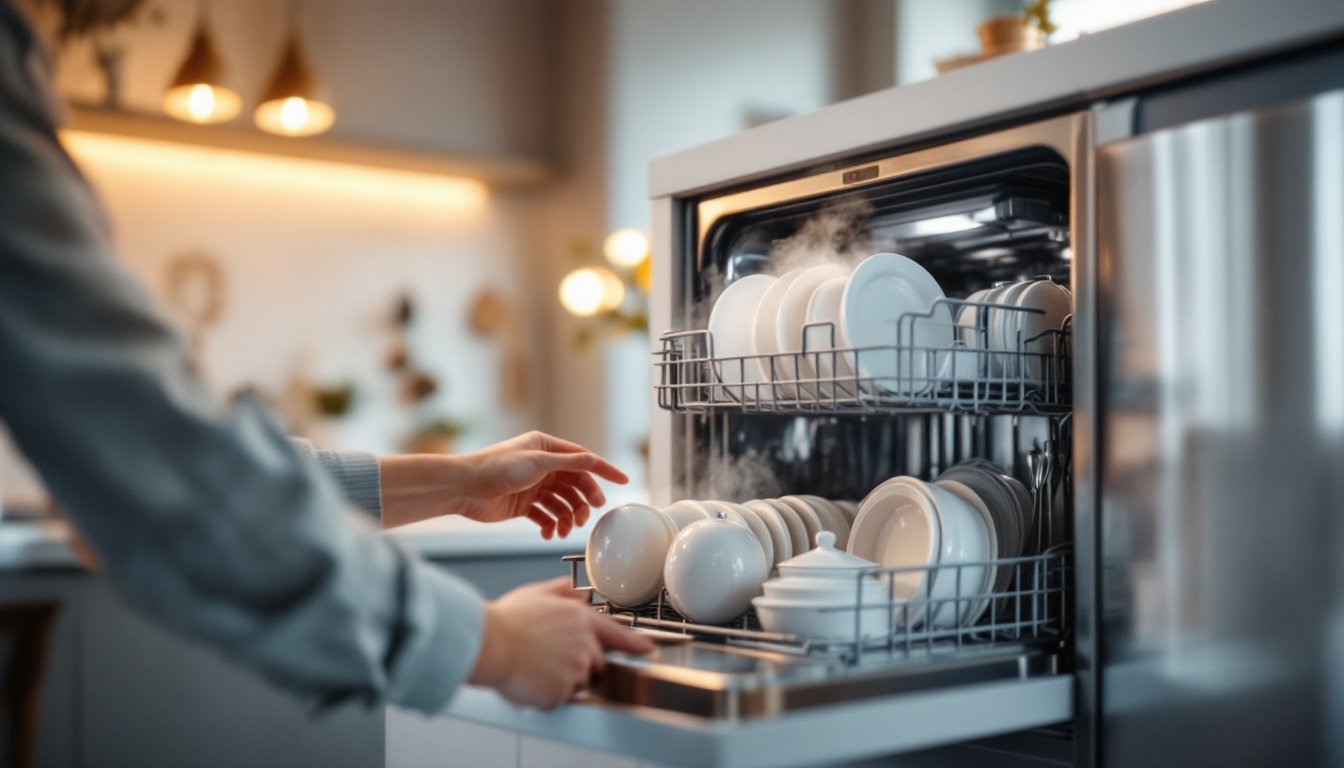
ToggleA dishwasher breaking down mid-cycle is the kind of home frustration that catches most people off guard. You’ve likely never thought much about its lifespan, until it stops working reliably. Understanding how long a dishwasher typically lasts, what makes some models outlive others, and when to fix versus replace can save you time and money. The average dishwasher lifespan hovers around 9 to 10 years, but that number varies significantly based on the brand, build quality, how you use it, and whether you actually keep up with maintenance. This guide walks through real-world factors that affect longevity and helps you make the right call when problems surface.
Key Takeaways
- The average dishwasher lifespan ranges from 9 to 10 years overall, though mid-range models typically last 8 to 12 years with proper maintenance.
- Regular maintenance—cleaning spray arms monthly, managing hard water with rinse aid, and emptying the drain filter weekly—can significantly extend your dishwasher’s life.
- Watch for warning signs like poor cleaning performance, strange grinding noises, water pooling, and leaks, as these indicate your dishwasher may be nearing the end of its life.
- Replace your dishwasher rather than repair it if the repair cost exceeds 50% of a new unit’s price or if the machine is older than 10 years.
- Brand reputation and warranty length (especially 3–5 year coverage on key components) are reliable indicators of expected dishwasher durability and longevity.
- Avoid overloading dishes and blocking spray arm paths, as improper loading forces the machine to work harder and accelerates wear on motors and bearings.
Average Dishwasher Lifespan By Brand And Model
Budget models from big-box retailers often last 6 to 8 years before requiring expensive repairs that rival the cost of a new unit. Mid-range dishwashers, the sweet spot for most households, typically run 8 to 12 years with reasonable care. Premium and commercial-grade machines can push 12 to 15 years or beyond if maintained properly.
Brand reputation matters, though it’s not the whole story. Established manufacturers like Bosch, KitchenAid, and Miele have earned their longevity reputation partly through engineering and partly through parts availability. That said, a five-year-old Bosch that’s been abused will fail before a ten-year-old budget GE that’s been babied.
Look at warranty length as a clue to expected lifespan. Most brands offer 1-year full coverage and some extend to 3-5 years on specific components like the motor or pump. A manufacturer willing to back a unit for five years is signaling confidence in durability. Check the manual or spec sheet for these details, they tell you what the maker expects to wear out first.
Factors That Affect Your Dishwasher’s Longevity
Maintenance And Regular Care
Neglecting basic maintenance is the fastest way to shorten a dishwasher’s life. Your spray arms, the rotating pipes that shoot water, clog with food and mineral deposits over time. If they don’t spin freely, water distribution fails and parts work harder. Clean the spray arm holes monthly by poking them with a straightened paperclip or a thin wire.
Hard water is brutal on dishwasher internals. Mineral buildup accumulates on heating elements, valves, and seals, forcing pumps and motors to work overtime. If your water hardness exceeds 120 ppm (parts per million), running a commercial-grade rinse aid like Finish is non-negotiable. It’s not luxury, it’s maintenance. Some newer models have built-in water softeners that extend component life by years.
The drain filter is another overlooked maintenance point. Food bits trapped in the filter trap force the pump to struggle and can cause backups. Empty the filter basket weekly, especially after heavy use. A clogged filter accelerates wear on the drain pump and is one of the top reasons units fail prematurely.
Run cleaning cycles with vinegar or a commercial dishwasher cleaner every 1–2 months. This dissolves mineral scale inside the tub and keeps the internal spray pattern efficient. It’s a 5-minute investment that can add years to the machine.
Usage Frequency And Load Habits
A dishwasher running once weekly in a small household will outlast an identical model running twice daily in a large family. The machine has a finite number of cycles engineered into its parts. Every wash stresses the pump, motor, spray arms, and heating element. More cycles mean faster wear.
Overloading is another silent killer. Crammed dishes block water spray, forcing the machine to run longer or repeat cycles. Overloading also stresses the spray arm bearings and motor because they have to fight harder to rotate. Load dishes in single layers, leave space between items, and respect the machine’s design limits. Yes, it takes two loads instead of one, but you’re not prematurely aging the unit.
How you load also matters: Place large, flat items (baking sheets, cutting boards) on the sides or bottom, not blocking the spray arm paths. Keep the spray arms unobstructed. Stuff pots and pans into the rack haphazardly, and you’re forcing the machine to compensate with longer cycle times and hotter water, which wears seals faster.
Signs Your Dishwasher Is Reaching The End Of Its Life
A dishwasher doesn’t usually fail overnight. Watch for these warning signs that it’s aging:
Poor cleaning performance is often the first red flag. Dishes come out with film, spots, or food residue even on the normal cycle. This usually points to clogged spray arms, a failing heating element, or worn seals that let water escape. Clean the spray arms and filter first, this solves 70% of these complaints without calling a technician.
Strange noises during the wash cycle, grinding, whirring, or squealing, indicate worn bearings in the pump or motor. A sound here or there is normal, but persistent grinding is a sign internal components are failing. Once you hear it regularly, the motor or pump is likely next.
Water pooling at the bottom after a cycle means the drain pump isn’t working or the filter is severely clogged. If cleaning the filter doesn’t solve it, the drain pump is failing and repair costs climb quickly.
Rust spots inside the tub signal that the protective coating is compromised. The metal underneath begins to corrode, and while cosmetic rust isn’t an emergency, it often precedes structural issues in older units. This is especially common after 8–10 years of use.
Leaking from the door or underneath suggests seals or gaskets are shot. A door seal replacement runs $100–300 in parts and labor. If it’s leaking from underneath, the issue could be the pump seal or a cracked tub, both expensive fixes that make replacement worth considering on older units.
Should You Repair Or Replace Your Dishwasher?
The math is straightforward: If the repair costs more than half the price of a new unit, replace it. A new mid-range dishwasher costs $400–800. If the repair bid is $250 or more on a unit that’s already 8+ years old, replacement usually makes sense.
Age matters. A 3-year-old dishwasher with a $300 motor replacement is worth fixing: parts are likely in stock, and the unit has years left. A 12-year-old dishwasher with a $350 repair? The next failure is probably around the corner, and warranty coverage on the repair is often minimal.
Before calling a technician, troubleshoot basic issues yourself. Clean the spray arms and filter. Run a cleaning cycle. Check that dishes aren’t overloaded. Many “failures” are actually maintenance issues that cost zero dollars to fix. If the problem persists, get a diagnostic estimate, most appliance repair shops charge $75–150 for a visit and diagnosis. That fee is usually credited toward repair if you proceed.
For cosmetic issues (rust spots, faded interior), replacement is optional and cost-driven. For functional failures (no drainage, weak spray, leaks), the decision hinges on age, repair cost, and your risk tolerance for future breakdowns.
Conclusion
Most dishwashers deliver solid value between 8 and 12 years if treated well. Maintenance, cleaning spray arms, managing hard water with rinse aid, and emptying the filter, costs almost nothing and adds years of life. When repair costs climb beyond half the replacement price, or when the machine is past 10 years old and faltering, replacement is the smarter choice. Track your unit’s installation date and keep the manual handy. Knowing what to expect helps you plan the upgrade before a breakdown ambushes you mid-holiday dinner.